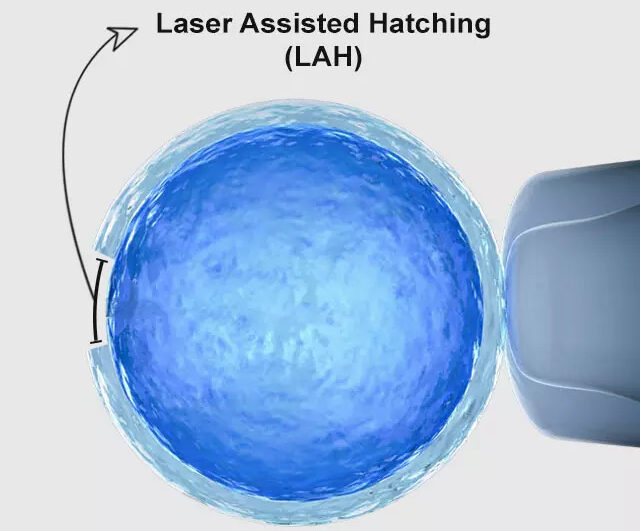
Laser Assisted Hatching (LAH)
Laser Assisted Hatching (LAH) is an advanced IVF technique used to improve embryo implantation rates. During IVF, embryos are surrounded by a protective shell called the zona pellucida. In some cases, this shell may be too thick, preventing the embryo from hatching and implanting into the uterus. LAH involves using a fine laser to create a small opening in the zona pellucida, helping the embryo to hatch more easily and increasing the chances of successful implantation. This technique is often recommended for women with thin or thick zona pellucida, or those who have had previous IVF failures.
- Overview
- Procedure
- Why choose Abirbhav Inferttility?
- Cost
- Why checkup Require?
- Do's And Don'ts
- FAQs
- What is LAH? Laser Assisted Hatching (LAH) is a technique used in IVF cycles to improve embryo implantation. It helps embryos hatch from their outer layer (zona pellucida) by using a precise laser, allowing the embryo to implant more easily in the uterine lining.
- Why is it needed? Some embryos, especially in certain fertility cases, may have a thicker or harder zona pellucida, making it difficult for the embryo to hatch and implant naturally. LAH helps overcome this barrier and enhances the chances of pregnancy.
- When is LAH used? LAH is typically used for women with:
- Previous IVF failures
- Advanced maternal age
- Poor embryo quality
- Embryos with a thick or hard zona pellucida
- How is the procedure done? A highly focused laser is used by an embryologist to create a small, controlled opening in the zona pellucida. This process helps the embryo to hatch more easily, facilitating the implantation process in the uterus.
- Benefits of LAH:
- Increased implantation success, particularly for embryos that would otherwise struggle to hatch.
- Improves chances of pregnancy, especially for patients with previous IVF failures.
- A minimally invasive, precise procedure that significantly enhances IVF outcomes.
- Procedure Duration: The laser application itself is very quick, usually taking just a few seconds per embryo. The entire IVF cycle, including LAH, typically spans several days as embryos are cultured and monitored before transfer.
- Safety and Success Rates: LAH is a safe procedure, widely used and studied. It’s performed under expert supervision by skilled embryologists to ensure optimal results. Studies have shown it can significantly improve IVF success rates, particularly in challenging fertility cases.
- Embryo Development: The procedure begins with traditional IVF, where eggs are retrieved and fertilized in the laboratory, resulting in embryos.
- Embryo Culture: The embryos are cultured for a few days to reach the blastocyst stage (Day 5 or 6), ensuring they are sufficiently developed for hatching and transfer.
- Laser Application: Once the embryos reach the appropriate developmental stage, the embryologist uses a fine laser to create a small, controlled opening in the zona pellucida (the outer layer of the embryo).
- Embryo Transfer: After the laser-assisted hatching, the embryo is ready for transfer into the woman's uterus. The slight incision helps the embryo break through its shell more easily, promoting successful implantation.
- Post-Transfer Monitoring: Following the embryo transfer, the patient is monitored for signs of pregnancy, and the success of the procedure is assessed.
- Expertise and Experience:Abirbhav Infertility Care offers specialized fertility treatments like Laser Assisted Hatching, backed by years of expertise in the field of IVF. The fertility specialists are experienced in handling complex fertility challenges, ensuring the highest success rates.
- State-of-the-Art Technology: The clinic is equipped with advanced reproductive technology and utilizes the latest laser-assisted hatching techniques for improved outcomes. This ensures that your embryos receive the best care in a controlled environment.
- Personalized Treatment Plans: At Abirbhav Infertility, each treatment plan is tailored to meet the specific needs of the patient. Our fertility specialists carefully evaluate your case to determine if LAH is right for you.
- Comprehensive Care: From initial consultation to post-treatment support, Abirbhav Infertility provides a comprehensive and compassionate care approach, guiding you through every step of the process.
While the cost of Laser Assisted Hatching varies depending on the clinic and individual circumstances, it is generally an additional cost on top of the standard IVF procedure. The exact cost can depend on factors like the complexity of the case, the number of embryos being treated, and whether other additional procedures are necessary. The clinic offers consultations to discuss the potential costs involved and explore available financial options.
A check-up is essential before opting for Laser Assisted Hatching to assess the overall fertility health of the patient. This includes evaluating:
- Egg Quality and Quantity: Fertility specialists need to understand the health of the eggs and the likelihood of successful fertilization and embryo development.
- Embryo Development: It is important to confirm that the embryos are developing properly to a stage where they can benefit from LAH.
- Health of the Uterus: A uterine assessment ensures that the endometrial lining is prepared to receive and support the embryo after transfer.
- Assessment of Previous IVF Outcomes: Patients with a history of IVF failures may benefit from a thorough evaluation to decide if LAH is an appropriate step for improving implantation success.
Do's:
- Follow Pre-Treatment Guidelines: Follow any instructions provided by your fertility specialist regarding lifestyle changes, medication, and tests prior to treatment.
- Maintain Open Communication: Share all your concerns and medical history with the fertility team to ensure personalized care.
- Stay Positive and Calm: IVF treatments can be emotional. Stay positive and maintain a healthy mental state throughout the process.
- Attend Follow-Up Appointments: After the embryo transfer, follow the specialist’s instructions on follow-up care and testing to monitor the treatment's success.
Don'ts:
- Avoid Self-Diagnosis: Don’t rely on internet research or advice from non-medical sources to make decisions regarding your fertility treatment.
- Don’t Skip Medications or Appointments: Missing medications or appointments may affect the chances of a successful procedure.
- Avoid Excessive Stress: Stress can negatively affect fertility. Engage in relaxation techniques and seek emotional support as needed.
- Don’t Ignore Lifestyle Changes: Smoking, excessive alcohol, or poor diet can impact the IVF process. Make sure to follow the recommended lifestyle changes for optimal results.
1.What is Laser Assisted Hatching?
Laser Assisted Hatching is a technique used to help embryos hatch from their outer layer, the zona pellucida, to improve the chances of implantation and pregnancy during an IVF cycle.
2. Who needs Laser Assisted Hatching?
LAH is recommended for patients who have had previous IVF failures, older women with less viable eggs, or embryos that have a thick zona pellucida, making it difficult for the embryo to hatch naturally.
3.How is the laser applied?
A fine laser beam is used by an embryologist to create a small hole in the zona pellucida, allowing the embryo to hatch and implant more easily in the uterus.
4.Does it improve the chances of pregnancy?
Yes, Laser Assisted Hatching increases the chances of implantation and pregnancy by helping the embryo hatch more effectively.
5.Is Laser Assisted Hatching safe?
LAH is a safe and precise procedure when performed by experienced embryologists. It has been extensively studied and shown to be effective in improving IVF outcomes.
6.How long does the procedure take?
The laser application is quick, typically taking only a few seconds per embryo. The entire IVF cycle, including LAH, takes several days, depending on embryo development.