
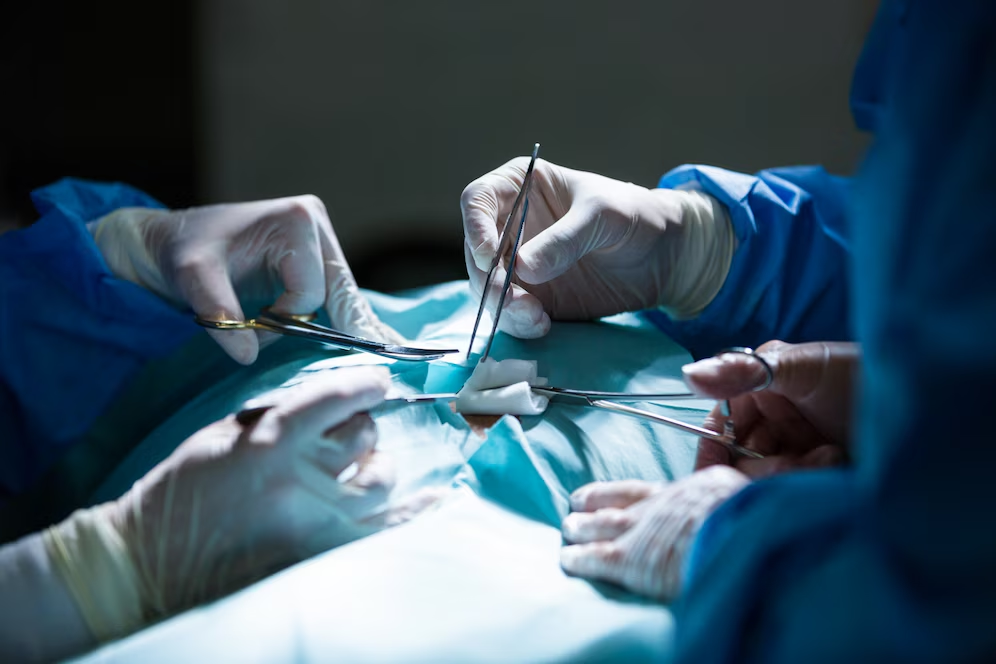
Laparoscopy
Laparoscopy is a minimally invasive surgical procedure used to diagnose and treat infertility-related issues. A small camera (laparoscope) is inserted through a small incision in the abdomen to examine the reproductive organs. It is commonly used to diagnose conditions like endometriosis, pelvic adhesions, blocked fallopian tubes, and fibroids. If necessary, the doctor can treat these issues during the procedure. Laparoscopy is performed under general anaesthesia, and recovery time is typically quick, with most women resuming normal activities within a few days. It helps improve fertility by addressing underlying reproductive issues, and it is considered a safe and effective diagnostic tool for infertility.
- Overview
- Procedure
- Why choose Abirbhav Inferttility?
- Cost
- Why checkup Require?
- Do's And Don'ts
- FAQs
- Minimally Invasive: Laparoscopy is a minimally invasive procedure, using a small incision and a laparoscope (camera) to view reproductive organs.
- Diagnosis & Treatment: It allows for both diagnosis and treatment of infertility-related issues, such as endometriosis, fibroids, pelvic adhesions, and blocked fallopian tubes.
- Direct Visual Access: The procedure provides clear, real-time visualization of the ovaries, uterus, and fallopian tubes, enabling precise diagnosis of conditions that may affect fertility.
- Single Procedure: Laparoscopy can treat conditions like cysts and adhesions during the same procedure, improving fertility outcomes.
- Faster Recovery: Compared to traditional open surgery, laparoscopy typically offers quicker recovery times, minimal scarring, and less risk of complications.
- Effective for Unexplained Infertility: Laparoscopy is often recommended when infertility causes are unclear or other treatments like IUI or IVF have been unsuccessful.
- Safe & Accurate: The procedure is highly effective in diagnosing and treating fertility-related conditions with greater accuracy and less risk compared to other methods.
- Preparation: The procedure is done under general anesthesia, ensuring the patient is comfortable and pain-free. The abdomen is cleaned and sterilized.
- Incision & Insertion: A small incision (usually near the belly button) is made through which the laparoscope is inserted. Additional tiny incisions may be made if surgical instruments are required for treatment.
- Examination: The laparoscope allows the doctor to closely examine the reproductive organs for conditions like endometriosis, fibroids, cysts, or scarring (adhesions).
- Treatment: If abnormalities are found, they can often be treated immediately using small surgical tools. For example, endometrial tissue can be removed, or adhesions can be broken down.
- Post-Procedure: The procedure usually takes between 30 minutes to 2 hours, depending on whether treatment is needed. The patient is monitored for a few hours post-surgery before being discharged the same day.
- Expert Team: At Abirbhav Infertility Care, we have a team of experienced fertility specialists and skilled laparoscopic surgeons who are experts in diagnosing and treating infertility with advanced technology.
- Personalized Approach: We understand that each infertility case is unique. Our specialists provide personalized care and tailor the laparoscopic procedure to your specific needs and concerns.
- State-of-the-Art Facilities: We use the latest laparoscopic equipment and technologies to ensure high precision and minimal risk during the procedure.
- Comprehensive Care: From diagnosis through to treatment and aftercare, we offer a comprehensive fertility care package that supports you at every step of your journey.
- Comfort and Support: Our compassionate team ensures you feel supported, both emotionally and physically, during your fertility treatment. We aim to make the experience as comfortable and stress-free as possible.
The cost of laparoscopy for infertility treatment can vary depending on factors such as the complexity of the procedure, the type of anaesthesia used, and whether additional treatments (like cyst removal or adhesions treatment) are required. At Abirbhav Infertility Care, we ensure transparency in pricing, and our goal is to provide high-quality care that is accessible. While the costs may vary, we offer financial counselling and payment options to make fertility treatments more affordable. Contact us for more detailed information about the cost specific to your case.
Laparoscopy is often recommended for couples struggling with unexplained infertility or when there is a history of pelvic pain or previous reproductive health issues. Conditions like endometriosis, pelvic adhesions, fibroids, and blocked fallopian tubes can significantly affect fertility. These issues may not be detectable through standard imaging techniques such as ultrasounds. Laparoscopy provides a clear and direct view of the pelvic organs, allowing doctors to diagnose and treat underlying problems that might hinder pregnancy. By identifying and addressing these conditions, laparoscopy can improve the chances of conception, especially when other treatment options have been unsuccessful.
Do’s:
- Rest and Recover: Take it easy for a few days post-surgery to allow your body time to heal. Avoid heavy physical activity and follow your doctor’s recommendations for recovery.
- Follow Post-Procedure Instructions: Follow the care instructions provided by your doctor, such as taking prescribed medications, managing pain, and avoiding infection.
- Hydrate and Eat Well: Stay hydrated and eat nutritious foods to help your body heal faster.
- Attend Follow-Up Appointments: Ensure that you attend any scheduled follow-up visits to monitor your recovery and discuss next steps in your fertility treatment.
Don’ts:
- Avoid Heavy Exercise: Don’t engage in strenuous activities, heavy lifting, or intense exercise for at least 2-3 weeks after the procedure.
- Don’t Ignore Pain or Discomfort: Mild pain or discomfort is common, but if you experience severe pain, bleeding, or signs of infection, contact your healthcare provider immediately.
- Avoid Sexual Intercourse Too Soon: Refrain from having sexual intercourse until your doctor clears you for it, usually after a few weeks, depending on your recovery.
- How long does the laparoscopy procedure take? Laparoscopy typically takes 30 minutes to 2 hours, depending on the complexity of the case and whether additional treatments are needed during the procedure.
- Is laparoscopy painful? Laparoscopy is performed under general anaesthesia, so you won’t feel any pain during the procedure. Some mild discomfort or cramping is common post-procedure but can be managed with pain medication.
- Can laparoscopy improve fertility? Yes, laparoscopy can improve fertility by diagnosing and treating underlying conditions like endometriosis, fibroids, and adhesions that may affect the reproductive organs.
- What is the recovery time after laparoscopy? Recovery time varies, but most women can resume normal activities within 1 to 2 weeks after the procedure. Mild discomfort or bloating may last a few days.
- Is laparoscopy necessary if I have infertility? Laparoscopy is often recommended when infertility causes are unclear, or when there are signs of pelvic issues that may affect fertility. It’s also useful for women with unexplained infertility or recurrent IVF failures.