
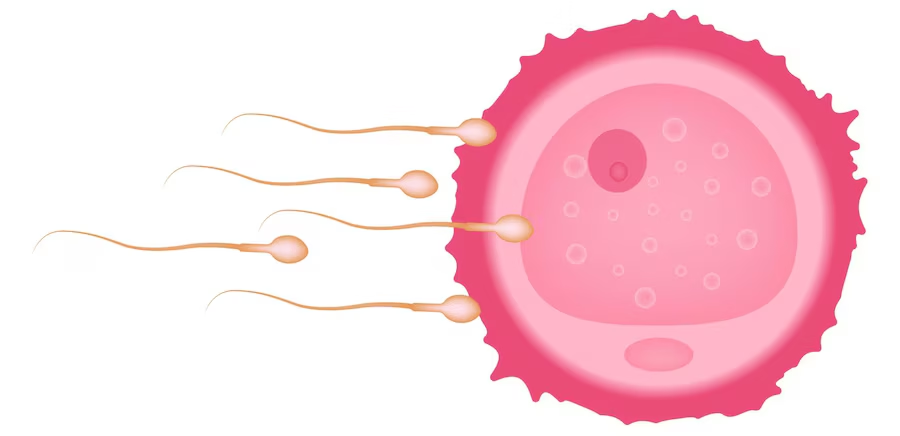
ICSI
ICSI (Intracytoplasmic Sperm Injection) is a specialized form of in vitro fertilization (IVF) that involves directly injecting a single sperm into an egg to achieve fertilization. This advanced technique is typically used for male infertility issues, particularly when there are problems with sperm motility, count, or morphology, or in cases of male factor infertility that make traditional IVF less effective.
- Overview
- Procedure
- Why choose Abirbhav Inferttility?
- Cost
- Why checkup Require?
- Do's And Don'ts
- FAQs
ICSI (Intracytoplasmic Sperm Injection) is a highly advanced fertility treatment and a variation of in vitro fertilization (IVF) used primarily for male infertility. This procedure involves injecting a single sperm directly into an egg to achieve fertilization. ICSI is ideal for couples who have male infertility issues such as low sperm count, poor sperm motility, or abnormal sperm morphology. It is also used in cases where previous IVF cycles have failed due to poor fertilization. By bypassing natural barriers to fertilization, ICSI significantly increases the chances of successful pregnancy.
- Ovarian Stimulation: The female partner undergoes ovarian stimulation using fertility medications to produce multiple eggs for retrieval.
- Egg Retrieval: Once the eggs are mature, they are retrieved from the ovaries through a minimally invasive procedure performed under sedation.
- Sperm Collection and Selection: A sperm sample is collected from the male partner or a sperm donor. The sperm is then processed, and a single sperm with the best quality is selected for the injection.
- Sperm Injection: A single sperm is injected directly into the cytoplasm of each mature egg using a fine needle. This step bypasses natural fertilization barriers.
- Embryo Culture: The fertilized eggs are cultured in a laboratory, where they develop into embryos. The embryos are monitored for quality and development.
- Embryo Transfer: The best quality embryos are selected and transferred into the woman’s uterus, where they may implant and lead to pregnancy.
- Pregnancy Test: After about 10-14 days, a pregnancy test is performed to check if the embryo has successfully implanted in the uterus.
- Expertise in Male Infertility Treatment: Our team has extensive experience in treating male infertility and performing ICSI. We understand the nuances of male fertility issues and provide tailored treatments.
- Advanced Technology: We utilize state-of-the-art technology to ensure the highest success rates. Our lab facilities are equipped with the latest advancements in sperm selection and embryo culture techniques.
- Personalized Care: Each patient’s situation is unique, and we offer personalized treatment plans to suit individual needs, ensuring the best chances of success.
- High Success Rates: We are proud of our high success rates in achieving pregnancy through ICSI, with many couples achieving their dream of parenthood with our help.
- Comprehensive Support: Our team provides continuous emotional and medical support throughout the ICSI process, guiding you from the initial consultation to post-procedure care.
The cost of ICSI can vary depending on various factors, including the complexity of the case, the medications required, the number of cycles needed, and any additional treatments involved. Generally, the cost of ICSI includes the consultation fees, ovarian stimulation medications, egg retrieval, sperm preparation, the injection procedure, embryo culture, and embryo transfer. Additional costs may arise if fertility medications, pre-treatment tests, or additional cycles are necessary. It’s important to consult with a fertility expert to get a detailed cost estimate based on your specific needs.
Before undergoing ICSI, thorough checkups are essential for both partners to ensure the procedure is appropriate and will be successful. For women, a complete evaluation of ovarian reserve, hormone levels, and overall reproductive health is conducted. For men, a sperm analysis is done to assess sperm quality, including count, motility, and morphology. The results help in choosing the right sperm and egg, optimizing the chances of fertilization. These checkups also allow doctors to address any underlying conditions and tailor the treatment plan for the best possible outcome. Regular monitoring throughout the process ensures the treatment is progressing as expected and allows for adjustments when needed.
Do's:
- Follow Medical Instructions: Adhere to the treatment plan, including taking medications on time and attending all follow-up appointments.
- Maintain a Healthy Lifestyle: Prioritize a balanced diet, regular exercise, and avoid smoking, alcohol, or excessive caffeine.
- Stay Relaxed: Emotional stress can impact fertility. Practice relaxation techniques and seek emotional support when needed.
- Attend All Checkups: Regular monitoring is essential to track progress and ensure the procedure is going smoothly.
- Communicate with Your Doctor: Keep an open line of communication with your fertility team to address any concerns or changes in your health.
Don’ts:
- Don’t Miss Appointments: Missing key appointments may disrupt the treatment process.
- Don’t Self-Diagnose: Always trust your doctor’s advice and avoid self-medicating or making changes to your treatment plan.
- Avoid High-Stress Situations: Emotional stress can hinder success, so take time to relax and focus on your well-being.
- Don’t Skip Medications: Skipping prescribed medications can negatively affect the outcome of the procedure.
- Don’t Rush the Process: Be patient, as multiple cycles may be necessary for success.
- What is ICSI?
ICSI (Intracytoplasmic Sperm Injection) is a procedure where a single sperm is injected directly into an egg to achieve fertilization. It is primarily used for male infertility issues. - Who should consider ICSI?
ICSI is recommended for couples with male infertility, particularly in cases of low sperm count, poor sperm motility, or abnormal sperm morphology. It is also used when previous IVF cycles have failed. - How is ICSI different from IVF?
ICSI is a more targeted approach in IVF. While traditional IVF involves placing sperm near the egg to fertilize it naturally, ICSI involves injecting a single sperm directly into the egg. - Is ICSI painful?
ICSI itself is not painful. The process involves injecting sperm into the egg using a fine needle, which is done under a microscope. The woman may experience some discomfort during egg retrieval, which is performed under sedation. - What are the success rates of ICSI?
ICSI success rates depend on various factors such as the age of the woman, the cause of infertility, and the quality of sperm. On average, ICSI has success rates similar to traditional IVF. - How long does the ICSI procedure take?
The actual ICSI procedure takes place after egg retrieval, and the sperm injection is completed in a matter of hours. However, the overall IVF process, including ovarian stimulation, takes a few weeks. - Are there any risks associated with ICSI?
As with any fertility treatment, there are risks such as ovarian hyperstimulation syndrome (OHSS), multiple pregnancies, or slight damage to the egg during injection. However, ICSI is generally considered safe and effective. - How soon after ICSI can I take a pregnancy test?
A pregnancy test is typically done 10-14 days after the embryo transfer to confirm if the procedure was successful. Blood tests are often used to detect early pregnancy hormones.