
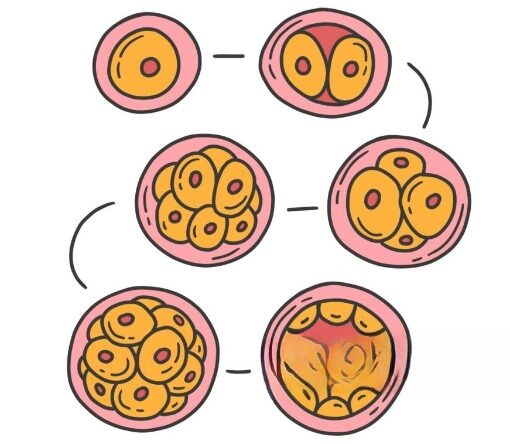
Blastocyst Culture And Transfer
Blastocyst Culture and Transfer is an advanced IVF technique where embryos are grown in the lab for 5 to 6 days until they reach the blastocyst stage, a more developed form that improves the chances of implantation. This process allows doctors to select the healthiest embryos for transfer, increasing the likelihood of pregnancy while reducing the risk of multiples.
It’s especially helpful for patients with multiple good-quality embryos or previous failed IVF attempts, offering a more precise and effective approach to fertility treatment.
- Overview
- Procedure
- Why choose Abirbhav Inferttility?
- Cost
- Why checkup Require?
- Do's And Don'ts
- FAQs
- What is Blastocyst Culture and Transfer? Blastocyst Culture and Transfer is an advanced IVF technique that extends the embryo culture period to five to six days after fertilization. Unlike traditional IVF, where embryos are transferred on Day 2 or 3, this method allows the embryos to develop into blastocysts in the lab. A blastocyst is a more advanced stage of embryo development, which mirrors the natural process of embryo implantation in the uterus.
- Key Advantage of Extended Culture: Allowing embryos to grow for a longer period gives embryologists more time to evaluate their quality. This enables the selection of the healthiest and most viable embryos for transfer. It also helps in identifying those embryos with the highest implantation potential, which enhances the chances of a successful pregnancy.
- Increased Implantation Success: By selecting embryos that have reached the blastocyst stage, the chances of successful implantation in the uterus are significantly improved. Blastocysts are more likely to implant because they are better developed and more similar to those found in natural conception. This leads to higher success rates for IVF cycles.
- Minimized Risk of Multiple Pregnancies: Typically, fewer embryos are transferred in Blastocyst Culture and Transfer, reducing the risk of multiple pregnancies compared to traditional IVF, which may involve transferring multiple embryos to increase the chances of success. By transferring the best-quality blastocyst, the procedure helps ensure a single pregnancy, thus lowering the chances of complications that come with multiple pregnancies.
- Better Selection of Embryos: The extended culture period provides embryologists with a clearer picture of each embryo's developmental potential. Only the most robust and viable embryos are selected for transfer, which leads to better quality and a higher likelihood of successful implantation and pregnancy. This is particularly beneficial for couples who have experienced previous IVF failures or those with multiple embryos of varying quality.
- Ideal for Specific Cases: Blastocyst Culture and Transfer is especially useful for women who produce a good number of quality embryos. It’s also recommended for women who have had failed IVF cycles in the past. This advanced method allows for a more refined approach to embryo selection, improving the overall success of the IVF treatment.
- Cryopreservation of Extra Embryos: One of the key benefits of Blastocyst Culture is that it allows the preservation of extra viable embryos through cryopreservation (freezing). These frozen embryos can be used in future cycles without the need for another round of ovarian stimulation and egg retrieval. This offers couples additional opportunities for pregnancy while reducing the emotional and physical burden of repeating the entire IVF process.
- Higher Pregnancy Rates: The advanced technology and selection process in Blastocyst Culture and Transfer have shown significantly higher pregnancy rates compared to traditional embryo transfers. By ensuring only the healthiest embryos are transferred, patients have a better chance of achieving a successful pregnancy on the first attempt, making it a more efficient and effective IVF strategy.
- Optimized for Both Male and Female Fertility Factors: This technique is beneficial for a wide range of fertility issues, including male factor infertility and unexplained infertility. Whether the issue is related to the egg quality, sperm quality, or uterine environment, Blastocyst Culture and Transfer helps to optimize the chances of successful conception by choosing the best embryo for transfer.
- Comprehensive Monitoring and Support: Throughout the process, patients receive constant monitoring and support from a team of fertility experts, including doctors, embryologists, and nurses. The success of the treatment depends on personalized care, and the extended culture period allows the team to adjust or recommendations for the best outcome.
The process of Blastocyst Culture and Transfer includes several key steps:
- Ovarian Stimulation and Egg Retrieval: The female partner undergoes ovarian stimulation to produce multiple eggs, which are then retrieved using a minimally invasive procedure.
- Fertilization: The retrieved eggs are fertilized in the laboratory with the partner’s or donor’s sperm through conventional IVF or ICSI (Intracytoplasmic Sperm Injection), depending on the case.
- Embryo Culture: Instead of transferring the embryos on Day 2 or 3, they are cultured in a specialized medium in the lab for up to Day 5 or 6. This extended period allows only the most robust embryos to continue developing into blastocysts.
- Embryo Evaluation: On Day 5 or 6, embryologists assess the embryos' development, structure, and quality to determine which ones have successfully become blastocysts. Only the embryos with the best potential are chosen for transfer.
- Embryo Transfer: One or two selected blastocysts are transferred into the uterus under ultrasound guidance. The procedure is painless and usually does not require anesthesia.
- Cryopreservation: Any additional healthy blastocysts can be frozen (vitrified) for future use, providing another chance at pregnancy without repeating the entire IVF process.
Abirbhav Infertility Care is a trusted centre for advanced reproductive techniques, including Blastocyst Culture and Transfer. Our centre is equipped with modern embryology labs that offer ideal conditions for extended embryo culture. What sets us apart is our personalized treatment planning, dedicated fertility team, and holistic approach to care. We monitor embryo development closely, ensuring that only the best quality blastocysts are selected for transfer, which improves success rates significantly. At Abirbhav, we combine cutting-edge technology with compassionate care to offer our patients the highest standards in fertility treatment.
While Blastocyst Culture and Transfer may involve additional lab, resources compared to a standard embryo transfer, it is often considered a cost-effective strategy in the long run. By increasing the chances of success per IVF cycle, it can reduce the number of attempts needed to achieve pregnancy. At Abirbhav Infertility Care, we believe in clear communication and offer complete guidance on treatment costs, including available packages, financing support, and options tailored to each couple’s situation—without compromising on the quality of care.
Before proceeding with Blastocyst Culture and Transfer, a comprehensive fertility check-up is essential. This check-up helps determine whether extended embryo culture is appropriate based on your medical history, ovarian reserve, sperm quality, uterine condition, and previous fertility treatment outcomes. A detailed evaluation ensures that your reproductive health is optimized for the procedure and that the uterus is ready for implantation. It also allows the doctor to develop a personalized treatment plan, increasing your chances of a successful pregnancy.
Do’s:
- Follow all prescribed medications and hormone injections precisely.
- Maintain a healthy lifestyle with proper diet, hydration, and regular rest.
- Attend all follow-up appointments and communicate openly with your doctor.
- Reduce stress through mindfulness, meditation, or counselling support.
Don’ts:
- Do not smoke, consume alcohol, or use recreational drugs.
- Avoid strenuous physical activity or heavy lifting after embryo transfer.
- Do not miss any medications or change your dosage without consulting your doctor.
- Avoid self-diagnosing or comparing your cycle to others—every case is unique.
Q: What is the difference between Day 3 and blastocyst (Day 5/6) embryo transfer?
A: A Day 3 transfer occurs when embryos are transferred earlier, while a blastocyst transfer allows embryos more time to develop, offering better selection of viable embryos and often higher success rates.
Q: Is blastocyst transfer better for all patients?
A: It is best suited for patients who produce multiple good-quality embryos or have experienced failed IVF attempts. Not all patients may benefit from blastocyst culture, especially those with fewer embryos.
Q: Can froze blastocysts be used later?
A: Yes, high-quality blastocysts can be cryopreserved for future IVF cycles, providing additional chances without repeating ovarian stimulation and egg retrieval.
Q: Does blastocyst transfer increase success rates?
A: Yes, blastocyst transfer has shown higher implantation and pregnancy rates compared to early-stage embryo transfers, especially when performed in well-equipped labs.
Q: Is the procedure painful?
A: The embryo transfer process is generally painless and does not require anaesthesia. It’s done under ultrasound guidance for accuracy and comfort.