
IUI
Intrauterine Insemination (IUI) is a common fertility treatment where sperm is placed directly into a woman’s uterus around ovulation to boost the chances of conception. It’s often used for male infertility (low sperm count or motility), ovulation issues, unexplained infertility, or cervical problems.
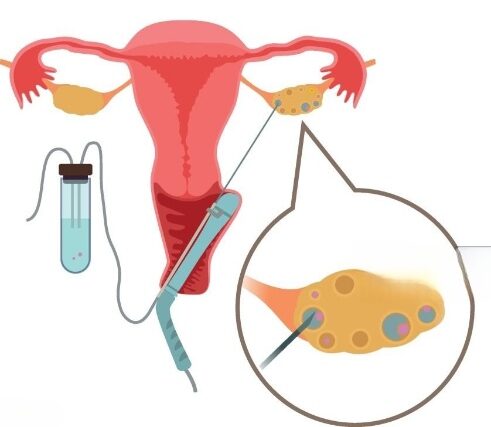
The process involves ovarian stimulation with fertility drugs, followed by careful monitoring of ovulation. At the right time, prepared sperm is inserted into the uterus using a thin catheter in a quick, minimally invasive outpatient procedure.
IUI is a cost-effective, low-risk option with decent success rates, especially when combined with medication. Though generally safe, there’s a small risk of multiple pregnancies or ovarian hyperstimulation. It’s a practical first step for many couples trying to conceive.
- Overview
- Procedure
- Why choose Abirbhav Inferttility?
- Cost
- Why checkup Require?
- Do's And Don'ts
- FAQs
- What is IUI?
IUI is a fertility treatment where specially prepared sperm is directly placed into a woman’s uterus during her ovulation period, increasing the chances of conception. - When is IUI Recommended?
- Male infertility issues, such as low sperm count or poor motility.
- Ovulation disorders like polycystic ovary syndrome (PCOS).
- Cervical mucus issues preventing sperm from reaching the egg.
- Unexplained infertility.
- For same-sex couples or single women requiring sperm donation.
- How IUI Works:
- Ovarian Stimulation: Fertility medications are used to stimulate the ovaries to produce eggs.
- Monitoring Ovulation: The woman’s cycle is monitored to determine the optimal time for insemination.
- Sperm Preparation: The sperm is “washed” in the lab to select the healthiest sperm.
- Insemination: The sperm is placed directly into the uterus using a thin catheter.
- Post-IUI Care: Hormonal support is provided, and pregnancy is tested after 10-14 days.
- Benefits of IUI:
- Non-invasive: It’s a simpler, non-surgical procedure compared to IVF.
- Cost-effective: More affordable than other fertility treatments.
- Increased Chances of Conception: Directly places sperm closer to the egg.
- Short Recovery Time: Minimal downtime and quick recovery after the procedure.
- Risks and Considerations:
- Multiple pregnancies: There is an increased chance of twins or higher multiples when using fertility medications.
- Ovarian Hyperstimulation Syndrome (OHSS): A rare condition due to over-stimulation of the ovaries.
- Infection: Although rare, there is a slight risk of infection during the procedure.
- Success Rates:
IUI success rates typically range from 10% to 20% per cycle, depending on factors such as age, infertility cause, and use of fertility medications. The success rate is generally higher for younger women and couples with specific infertility issues.
IUI is a safe, effective, and cost-efficient treatment for many couples facing infertility challenges, offering a less invasive option before considering more complex procedures like IVF.
- Initial Consultation and Evaluation
- The fertility specialist assesses the couple's medical history and performs necessary tests to understand the cause of infertility.
- Both partners may undergo tests such as semen analysis and hormone assessments to ensure the suitability of IUI.
- Ovarian Stimulation (if needed)
- The female partner may be prescribed fertility medications (such as Clomid or injectable gonadotropins) to stimulate the ovaries and promote the development of multiple eggs.
- Regular ultrasounds and blood tests are performed to monitor the ovarian response and ensure the eggs are maturing properly.
- Ovulation Monitoring
- Ovulation is closely monitored through ultrasounds and blood tests to determine the best time for insemination. This usually happens 12-36 hours before ovulation.
- Sperm Collection and Preparation
- On the day of insemination, the male partner provides a sperm sample, which is then processed and "washed" in the laboratory.
- The sperm is concentrated to isolate the healthiest and most motile sperm.
- Insemination
- Once ovulation is confirmed, the prepared sperm is introduced directly into the woman’s uterus using a thin, flexible catheter.
- The procedure is quick, typically taking only 15-20 minutes, and is performed in an outpatient setting.
- Post-Procedural Care
- After the insemination, the woman may rest briefly, although there is no need for an extended recovery period.
- Hormonal support, such as progesterone, may be prescribed to help support the uterine lining and facilitate implantation.
- Pregnancy Test
- A pregnancy test is usually conducted 10-14 days after the procedure to determine whether implantation has occurred and the woman is pregnant.
The IUI procedure is minimally invasive, and the chances of conception are higher when combined with fertility medications. The entire process is monitored closely to optimize the chances of success.
At Abirbhav Infertility Care, we are dedicated to providing compassionate, personalized fertility treatments tailored to your unique needs. Here’s why so many couples trust us with their fertility journey:
- Expert Fertility Specialists: Our team of experienced and skilled fertility doctors has a deep understanding of the complexities of infertility, ensuring the best care possible at every step.
- Comprehensive Fertility Services: We offer a full range of services, from initial consultations and testing to advanced treatments like IVF, IUI, and more, all under one roof for convenience and seamless care.
- Personalized Treatment Plans: We understand that each fertility journey is unique. That’s why we customize treatment plans to address individual needs, ensuring the highest chance of success.
- State-of-the-Art Technology: We use the latest advancements in reproductive technology and diagnostics to provide accurate results and the best possible treatment outcomes.
- Compassionate Care: Our team is committed to providing a supportive and empathetic environment, making sure you feel comfortable, informed, and cared for throughout your fertility journey.
- High Success Rates: With a focus on patient-centered care and evidence-based practices, we maintain a high success rate in helping couples achieve their dream of parenthood.
Choose Abirbhav Infertility Care for a holistic, supportive, and expert-led approach to fertility treatment. Your path to parenthood begins here.
Intrauterine Insemination (IUI) is a widely used fertility treatment that can vary in cost based on various factors. These factors typically include the type of medication required, the need for additional diagnostic tests, and the number of cycles needed for successful conception.
The main components of the IUI procedure that contribute to the cost include:
- Initial consultation and fertility assessments (such as hormone tests and semen analysis)
- Ovulation stimulation medications (if prescribed to enhance egg production)
- Semen preparation and insemination procedure
- Follow-up visits and pregnancy testing
Since IUI is often considered for couples facing infertility issues like male factor infertility, ovulation disorders, or unexplained infertility, the total cost may vary based on individual treatment needs and the number of cycles required. Many patients undergo multiple cycles before achieving pregnancy, which may affect the overall expense.
For an accurate estimate, it’s important to consult with a fertility specialist who can offer a detailed breakdown of the treatment costs based on your specific needs.
A thorough checkup is essential before undergoing Intrauterine Insemination (IUI) to ensure the procedure is safe, effective, and personalized to the couple’s specific fertility needs. Here's why a checkup is necessary:
- Assess Fertility Health: A checkup helps to evaluate both partners' reproductive health. For women, this includes hormonal assessments, ultrasound scans, and ovulation tracking to determine the best time for insemination. For men, a semen analysis is essential to assess sperm count, motility, and morphology.
- Identify Underlying Issues: The checkup helps identify any underlying health conditions or fertility issues, such as ovulation disorders, blocked fallopian tubes, or male factor infertility. Identifying these conditions allows for tailored treatment plans, increasing the chances of a successful pregnancy.
- Optimize Treatment: Regular monitoring and testing ensure that both partners are ready for IUI. For women, hormone levels and follicular development are closely monitored to time insemination accurately. If needed, fertility medications are prescribed to enhance ovulation, and their effectiveness is tracked through checkups.
- Prevent Risks: A checkup helps to prevent potential risks during the IUI procedure, such as ovarian hyperstimulation syndrome (OHSS), by monitoring how the ovaries respond to fertility drugs. It also ensures that the sperm used in insemination is of good quality.
- Personalized Care: Every fertility journey is unique. The checkup ensures that the fertility specialist can customize the IUI procedure to the specific needs of both partners, improving the chances of success and reducing the emotional and financial stress of repeated treatments.
Overall, a thorough checkup prior to IUI ensures that all factors affecting fertility are addressed, and the procedure is optimized for the best possible outcome.
Do's:
- Follow Medical Instructions: Adhere to all guidelines provided by your fertility specialist, especially regarding medication use, timing of the IUI procedure, and post-procedure care.
- Maintain a Healthy Lifestyle: Eating a balanced diet, getting regular exercise, and avoiding alcohol, smoking, or excessive caffeine can improve your chances of successful conception.
- Attend All Monitoring Appointments: Regular visits for ultrasounds, hormone tests, and other evaluations are crucial to optimize the timing of the IUI procedure and ensure everything is on track.
- Take Fertility Medications as Prescribed: If fertility medications are recommended, follow the prescribed dosage and schedule to ensure proper ovulation.
- Stay Positive and Relaxed: Stress can affect fertility. Practice relaxation techniques and try to stay positive, as emotional well-being plays a vital role in fertility.
Don'ts:
- Don’t Skip Appointments: Missing monitoring or follow-up appointments may lead to delays or mismanagement of the treatment process.
- Don’t Self-Diagnose or Self-Medicate: Always consult your fertility specialist before taking any medication or making changes to your treatment plan.
- Avoid Intense Physical Activity: After the IUI procedure, avoid high-impact exercises or strenuous physical activity for a few days.
- Don’t Panic if It Doesn’t Work Immediately: Multiple cycles may be needed for a successful pregnancy. Stay patient and continue following the treatment plan.
Avoid Stress and Anxiety: Stress can negatively impact fertility. It’s essential to focus on self-care and relaxation during your treatment journey.
- What is IUI?
IUI (Intrauterine Insemination) is a fertility treatment where sperm is directly placed into a woman’s uterus during her ovulation period to increase the chances of conception. - Who is a good candidate for IUI?
IUI is often recommended for couples dealing with male infertility (low sperm count or motility), ovulation disorders, cervical issues, or unexplained infertility. - How is IUI different from IVF?
IUI is less invasive and more affordable than IVF. In IUI, sperm is placed directly in the uterus, while IVF involves fertilizing the eggs outside the body and transferring the embryos into the uterus. - How long does the IUI procedure take?
The actual insemination procedure typically takes 15-20 minutes and is done in a clinic setting. There’s no need for anesthesia or an overnight stay. - Is IUI painful?
IUI is usually not painful. Some women may experience mild cramping or discomfort, but most find the procedure tolerable. - How many cycles of IUI are needed?
The number of IUI cycles varies. Most couples try 3 to 6 cycles, though some may require more. If IUI does not work after multiple cycles, other treatments like IVF may be considered. - What are the success rates for IUI?
Success rates depend on several factors, including the age of the woman, the cause of infertility, and the quality of sperm. On average, IUI success rates range from 10-20% per cycle. - Can IUI work for women with blocked fallopian tubes?
IUI is typically not recommended for women with completely blocked fallopian tubes. In such cases, IVF may be a better option. - How should I prepare for the IUI procedure?
Your fertility doctor will provide detailed instructions regarding medications, lifestyle changes, and the timing of the procedure. Regular check-ups and hormone monitoring will help time the insemination. - When will I know if I am pregnant after IUI?
A pregnancy test is typically done 10-14 days after the procedure to confirm pregnancy. Your doctor may recommend a blood test to measure hormone levels for a more accurate result.